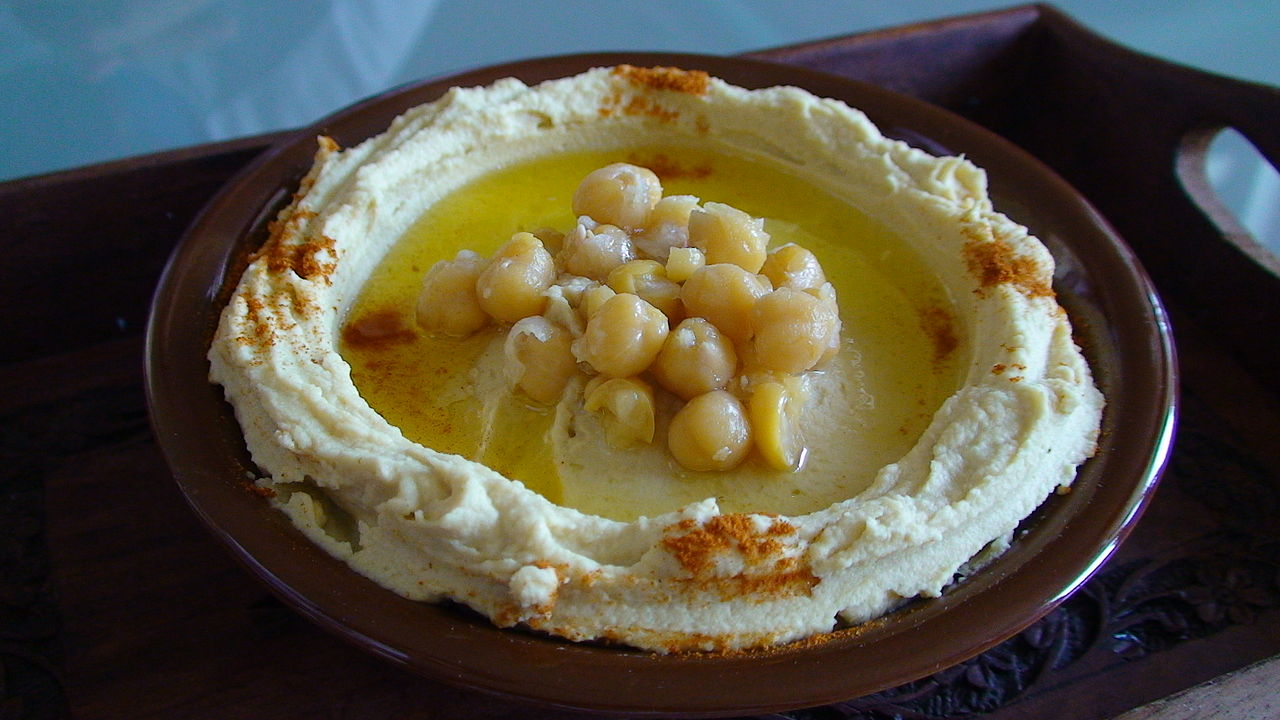
From Ancient Chickpea to Global Billion-Dollar Market: The Story of Hummus
Few dishes boast a culinary journey as epic and transformative as hummus. This creamy, savory dip, originating from the sun-drenched lands of the Levant, has transcended its humble beginnings to become a global sensation, gracing tables from Tel Aviv to Texas. What started as a staple in ancient diets, a simple blend of chickpeas and seasonings, has evolved into a multi-billion-dollar industry, yet its essence remains rooted in tradition and wholesome ingredients. This article explores the remarkable trajectory of hummus, tracing its path from the dawn of agriculture to its current status as a worldwide culinary icon.
The Ancient Roots and Evolution of a Culinary Gem
The story of hummus begins not in a kitchen, but in the fields where chickpeas were first domesticated. For millennia, in the Fertile Crescent of Southwest Asia, these versatile legumes provided sustenance, forming a cornerstone of the regional diet. However, the specific dish we recognize today as
hummus bi tahini – chickpeas blended with tahini – took shape much later. The earliest documented recipes resembling modern hummus appeared in 13th-century Egyptian culinary texts. These medieval Arabic manuscripts describe a preparation of puréed chickpeas with tahini, lemon juice, and spices, clearly laying the groundwork for the beloved dip.
While the *exact* moment of its creation remains a subject of historical debate, what is undeniable is hummus's deep-seated heritage in the Levantine region. It became a ubiquitous part of daily life in countries like Lebanon, Syria, Jordan, and Palestine, celebrated not just for its taste but for its nutritional value and ease of preparation. This deep cultural integration laid the foundation for its eventual global triumph, establishing it as far more than just food; it was, and remains, a symbol of shared heritage.
The Art of Authentic Hummus: Ingredients and Preparation
At its heart, authentic hummus is a celebration of simple, fresh ingredients brought together in harmony. The core components are:
- Chickpeas (Garbanzo Beans): The foundational ingredient, providing a creamy texture and nutty flavor.
- Tahini: A paste made from ground sesame seeds, crucial for hummus's characteristic richness and depth. Its oils also play a vital role in achieving the desired emulsification.
- Lemon Juice: Adds a bright, tangy counterpoint, balancing the richness of the tahini and enhancing the overall flavor. It also aids in emulsification and acts as a natural preservative.
- Garlic: Provides a pungent kick, a non-negotiable element for many traditionalists.
- Salt: Essential for seasoning and bringing out the flavors of the other ingredients.
- Olive Oil: Often drizzled generously on top before serving, adding an extra layer of flavor and a silky finish.
- Cumin: A common seasoning that adds an earthy warmth, though its inclusion can vary by regional preference.
Creating the perfect, ultra-creamy hummus from scratch is often considered an art, and many enthusiasts argue that homemade is unequivocally superior to store-bought. The process typically begins by soaking dried chickpeas for 12 to 48 hours, which softens their skins and improves digestibility. They are then boiled until incredibly tender, often with a pinch of baking soda to further accelerate softening and achieve a silken texture. Crucially, the starchy cooking liquid, known as
aquafaba, is reserved.
During blending, the cooked chickpeas are combined with tahini, freshly squeezed lemon juice, minced raw garlic, and salt. The magic happens with the gradual addition of aquafaba. Its proteins and saponins act as natural emulsifiers, preventing separation and creating that signature airy, stable, and incredibly smooth consistency. This careful balance of ingredients and technique ensures that the final product is not merely a dip, but a truly elevated culinary experience. For those eager to perfect their own batch, exploring resources like
Mastering Authentic Hummus: Secrets for Ultra Creamy Homemade Dip can reveal invaluable tips and tricks.
From Regional Staple to Global Sensation: Commercialization and "Hummus Wars"
For centuries, hummus remained largely a regional delicacy, prepared in homes and local eateries across the Levant. Its journey to global prominence began significantly in the mid-20th century. In 1958, industrial production of hummus commenced in Israel, marking a pivotal moment in its commercialization. This development transformed hummus from a localized dish into a widely available product, eventually paving the way for its export and international recognition.
However, this commercial success has not been without its complexities, giving rise to what have been colloquially termed the "hummus wars." These disputes highlight underlying tensions regarding cultural ownership and national identity in a region with a shared culinary heritage. Lebanon, a country where hummus holds profound cultural significance, famously challenged Israeli branding of hummus in 2008, seeking a trademark designation from the European Union to assert its claim of origin. This move ignited a series of reciprocal giant hummus-making contests, with both Lebanon and Israel vying for the Guinness World Record for the largest dish of hummus. While seemingly light-hearted, these events underscore deeper nationalistic assertions of culinary invention amidst a shared Levantine tradition. Understanding these cultural dimensions is key to appreciating hummus's journey; for more insight, consider reading
Hummus: A Levantine Legacy, Cultural Disputes, and Global Popularity.
Despite these cultural disputes, hummus’s appeal has only grown, fueling a global market now valued in billions. Its widespread availability in supermarkets worldwide, from specialty stores to major chains, is a testament to its undeniable allure.
Beyond the Dip: A Nutritional Powerhouse and Culinary Versatility
One of the key drivers of hummus's global popularity, beyond its delightful taste, is its impressive nutritional profile. Hummus is a true superfood, aligning perfectly with the modern emphasis on healthy eating:
- Rich in Protein: Thanks to its chickpea base, hummus is an excellent source of plant-based protein, making it a favorite among vegetarians and vegans.
- High in Fiber: The fiber content from chickpeas supports digestive health and helps promote a feeling of fullness, aiding in weight management.
- Healthy Fats: Tahini contributes beneficial healthy fats, including monounsaturated and polyunsaturated fats, which are important for heart health.
- Vitamins and Minerals: Hummus also provides essential micronutrients like iron, folate, phosphorus, and B vitamins.
This combination makes hummus a cornerstone of the Mediterranean diet, celebrated for its numerous health benefits. Its versatility in the kitchen is equally impressive. While traditionally served as an appetizer or mezze with warm pita bread or crunchy vegetables, hummus has found its way into countless culinary applications:
- As a healthy spread for sandwiches and wraps, replacing less nutritious condiments.
- A creamy base for salad dressings.
- A flavorful accompaniment to grilled meats or falafel.
- A satisfying dip for chips or crackers.
However, with mass production, debates about authenticity persist. Many commercial variants often diverge significantly from traditional methods and ingredient ratios, sometimes incorporating additives or excessive oils, leading purists to advocate strongly for the superior taste and texture of homemade hummus. It's also worth noting that hummus is a perishable food; store it in an airtight container in the refrigerator and consume it within 3-4 days, and never leave it at room temperature for more than two hours to prevent spoilage.
Conclusion
From the ancient fields where chickpeas first thrived to the sophisticated machinery of modern food production, hummus has embarked on an incredible journey. It embodies a rich tapestry of history, culture, and culinary innovation. Whether enjoyed as a homemade labor of love, a quick store-bought snack, or a dish at the center of cultural identity debates, hummus continues to captivate palates and nourish bodies worldwide. Its enduring appeal lies not just in its creamy texture and tangy flavor, but in its ability to connect us to ancient traditions while effortlessly adapting to contemporary global tastes, solidifying its place as a truly timeless and globally beloved food.