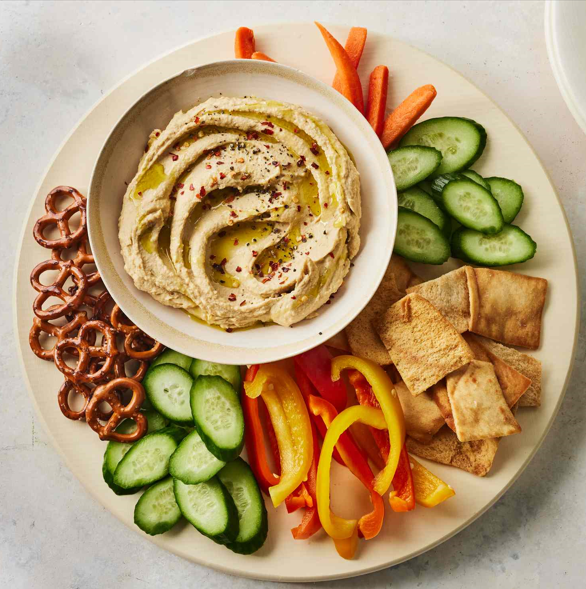
Hummus: A Levantine Legacy, Cultural Disputes, and Global Popularity
Few dishes command as much universal love and passionate debate as
hummus. This creamy, satisfying dip, a cornerstone of Levantine cuisine, has transcended its humble origins to become a global phenomenon. From ancient tables in the Middle East to supermarket shelves worldwide, the journey of
hummus is a rich tapestry woven with culinary tradition, shared heritage, nationalistic pride, and remarkable nutritional value.
The Ancient Roots and Evolution of Hummus
The story of
hummus begins not in a modern kitchen, but in the fertile crescent where chickpeas, its primary ingredient, were first domesticated millennia ago in Southwest Asia. These ancient legumes formed the basis of many early dishes. Fast forward to the medieval Arabic culinary traditions, and we find the earliest documented recipes that closely resemble the
hummus we know today. Thirteenth-century Egyptian texts describe a preparation of puréed chickpeas with tahini and lemon juice, echoing the core elements that define this beloved dip.
While the exact "invention" of
hummus is lost to time and subject to much discussion, its evolution from broader ancient practices involving chickpeas is clear. The combination of cooked chickpeas, creamy tahini (sesame seed paste), bright lemon juice, pungent garlic, and a pinch of salt creates a symphony of flavors and textures that has stood the test of time. Often, a drizzle of extra virgin olive oil and a sprinkle of cumin complete this versatile spread, which has long been a staple accompaniment to pita bread and fresh vegetables across the Middle East.
Crafting the Perfect Hummus: A Deep Dive into Traditional Preparation
The allure of
hummus lies not just in its taste but also in its surprisingly simple yet precise preparation. While store-bought options are readily available, there's a widely held sentiment that "homemade is best" – and for
hummus, this rings exceptionally true. Achieving that ultra-creamy, light, and perfectly balanced texture is a craft.
Traditional preparation starts with the humble chickpea. Dried chickpeas are typically soaked in water for 12 to 48 hours. This crucial step not only softens the skins but also initiates germination, which can improve digestibility and contribute to a smoother final texture. After soaking, the chickpeas are boiled in fresh water, often with a pinch of baking soda. This alkaline addition helps to accelerate cooking and tenderize the beans, ensuring they become fully soft and easily mashable, a process that can take 1 to 2 hours. The resulting cooking liquid, known as aquafaba, is a magical ingredient in itself; it's retained for its emulsifying and binding properties.
Once cooked, the chickpeas are drained (but not rinsed excessively to preserve their starchy goodness) and then pounded or blended with tahini, freshly squeezed lemon juice, minced raw garlic, and salt. The key to that signature creaminess often lies in the gradual addition of aquafaba during the blending process. Its proteins and saponins act as natural emulsifiers, lowering interfacial tension between water and oil phases, which prevents separation and yields a stable, airy texture rather than a grainy one. The mechanical action of blending breaks down chickpea fibers while incorporating air, with the final consistency artfully adjusted by the volume of aquafaba. For those looking to master this art and achieve truly authentic, silky smooth results, exploring advanced techniques for a divine homemade dip is highly recommended. For an in-depth guide to achieving unparalleled creaminess and balance, check out
Mastering Authentic Hummus: Secrets for Ultra Creamy Homemade Dip.
It's also important to remember that homemade
hummus is a perishable food. To maintain freshness and prevent bacterial growth, it should not be left at room temperature for more than 2 hours (or 1 hour if the temperature exceeds 90°F/32°C).
The "Hummus Wars": Cultural Heritage vs. Nationalistic Claims
While
hummus is celebrated globally, its cultural ownership has, unfortunately, been the subject of contentious "hummus wars." As a fundamental staple in Arab cuisines across Lebanon, Syria, Jordan, and Palestine for centuries, its identity has been inextricably linked to the region's shared culinary heritage. However, the landscape shifted significantly with the industrial production of
hummus in Israel from 1958 onward. This marked a turning point, transforming
hummus from a local delicacy into a commercial export, subsequently sparking disputes over cultural attribution.
These "hummus wars" highlight the tensions between a deeply shared Levantine heritage and modern nationalistic assertions of culinary invention. A notable incident occurred in 2008 when Lebanon mounted a trademark challenge against Israeli branding, arguing for the exclusive right to market
hummus as Lebanese. This challenge, alongside reciprocal giant
hummus-making contests (where both sides attempted to break world records for the largest bowl of
hummus), serves as a vivid illustration of how food, often a symbol of unity, can also become a battleground for national identity and cultural claims. These disputes underscore the complex interplay of history, tradition, and commercialization in the modern world, reflecting deeper geopolitical narratives.
Hummus's Global Ascent: Health, Market, and Authenticity
Despite the cultural debates, the global appeal of
hummus is undeniable. Its meteoric rise in popularity worldwide is fueled by a compelling combination of delicious taste, versatility, and an impressive nutritional profile. Rich in protein, dietary fiber, and healthy fats from chickpeas and tahini,
hummus has become a celebrated component of the Mediterranean diet, lauded for its heart-healthy benefits and ability to promote satiety.
From a simple appetizer paired with warm pita or crunchy vegetables,
hummus has found its way into countless culinary applications. It's a fantastic spread for sandwiches and wraps, a delightful base for salad bowls, and an indispensable dip for parties and casual gatherings. This versatility has propelled it into a multi-billion-dollar global market, where it continues to grow rapidly. To understand the incredible journey of this ancient dip to its modern market dominance, read more about
From Ancient Chickpea to Global Billion-Dollar Market: The Story of Hummus.
However, with mass production and global expansion come ongoing debates about authenticity. As commercial variants proliferate, many diverge significantly from traditional methods and ingredient ratios, leading to discussions among purists about what truly constitutes "authentic"
hummus. While convenience-oriented products have undeniably introduced
hummus to a wider audience, they often lack the nuanced flavors and artisanal quality of its homemade or traditionally prepared counterparts.
Conclusion
Hummus, with its smooth texture and harmonious blend of flavors, is far more than just a dip; it's a living legacy. It embodies centuries of Levantine culinary tradition, connects diverse cultures, and showcases the simple power of wholesome ingredients. From the ancient fields where chickpeas first grew to the bustling global markets of today, its journey is a testament to its enduring appeal. While cultural disputes occasionally simmer beneath its creamy surface, the universal language of its deliciousness continues to unite people across borders, inviting everyone to partake in its rich history and vibrant taste. Whether you choose to savor a lovingly prepared homemade batch or grab a quick store-bought option,
hummus remains a delicious and nutritious staple that continues to earn its place in kitchens and hearts worldwide.